





Why Is My Porcelain Paving Slippery When Wet? UK Safety Guide
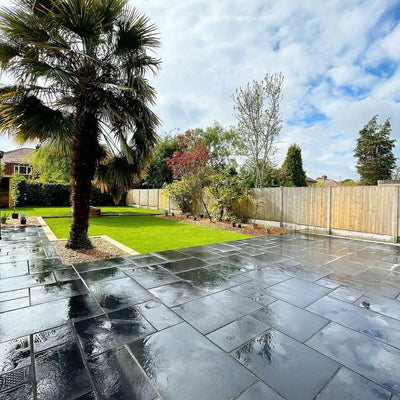
Right, let's address something that causes genuine concern for UK homeowners: that moment when you step onto your new porcelain patio after rain and it feels like an ice rink. You spent good money on premium outdoor porcelain specifically because suppliers promised it was "anti-slip" and "safe when wet." So why does it feel sketchy every time it rains?
Here's the honest answer: not all porcelain paving is created equal when it comes to wet grip, and even properly specified anti-slip porcelain can feel slippery under certain conditions. Understanding the difference between genuinely unsafe porcelain and normal wet-surface behaviour could prevent a costly mistake—or worse, an actual accident.
This isn't a sales pitch for expensive upgrades. It's a practical explanation of slip resistance ratings, what makes porcelain grip (or not) when wet, which products are genuinely safer, and what you can do if you're already living with slippery paving.

The Science: Why Porcelain Feels Slippery When Wet
Porcelain paving isn't inherently slippery—it's actually one of the safer outdoor flooring materials when properly specified. But water changes everything.
Dry porcelain grip works through micro-texture. Even porcelain that looks smooth to the eye has microscopic surface roughness that creates friction against shoe soles. Your foot makes contact with thousands of tiny raised points, generating grip.
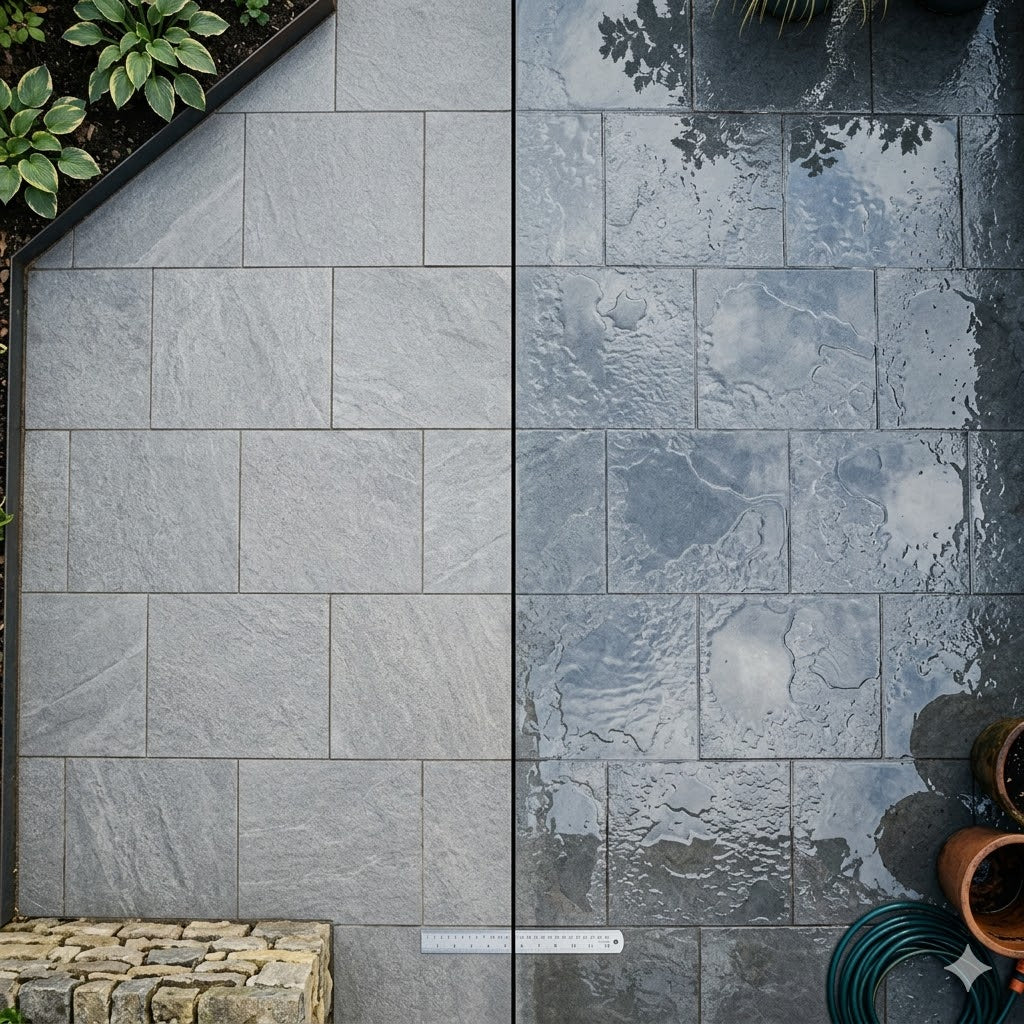
Water fills those micro-valleys. When it rains, water settles into the surface texture, creating a thin film between your shoe and the porcelain. Instead of direct contact with textured porcelain, your foot is now contacting a water layer—and water has zero grip.
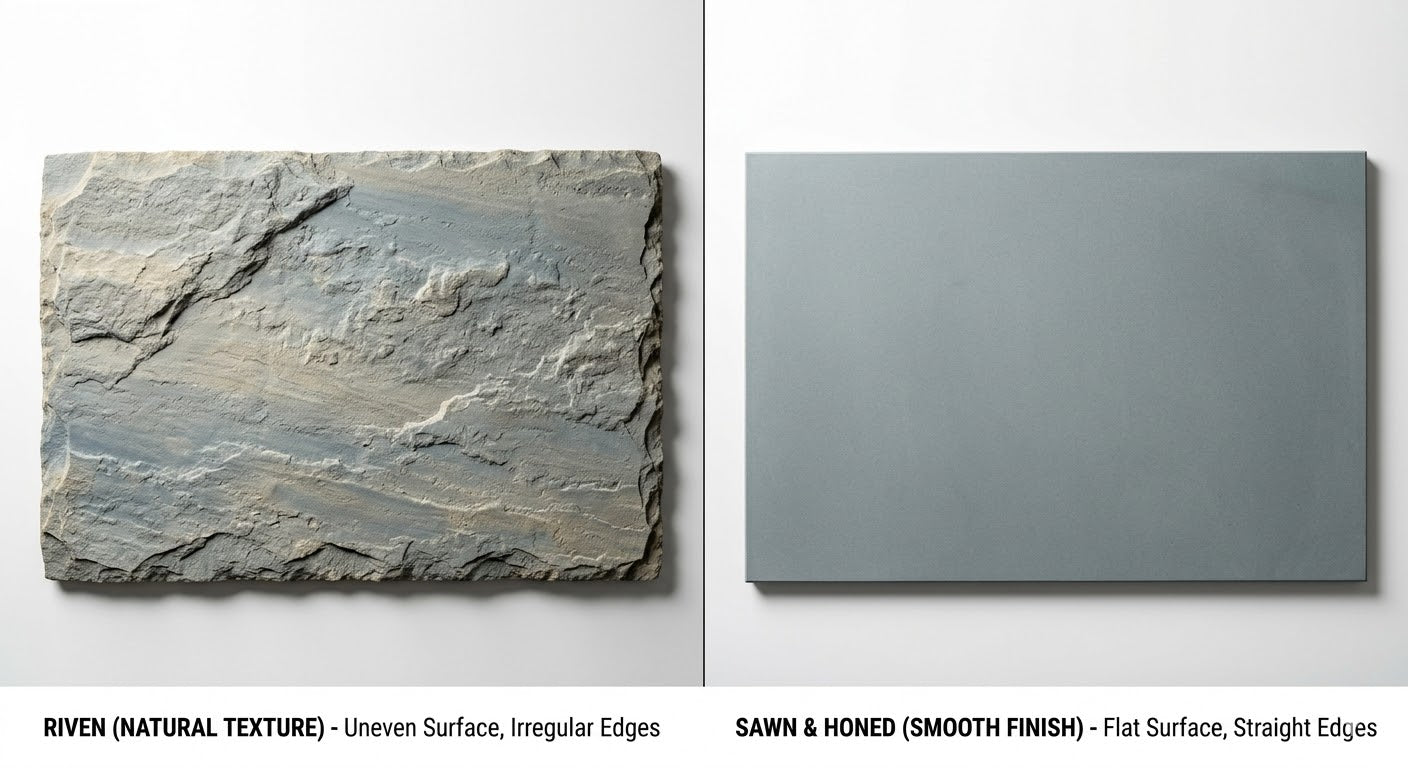
Surface finish determines how much water stays. Heavily textured porcelain (like the riven-effect finishes) channels water away from high points, maintaining some direct contact with shoe soles. Smooth or lightly textured porcelain holds water in a continuous film, maximising slip risk.
Think of it like car tyres on wet roads. Tyre tread channels water away from the contact patch. Bald tyres aquaplane because water can't escape. Same principle applies to paving.

R-Ratings Explained: What They Actually Mean
Every porcelain product sold for outdoor use should carry an R-rating (slip resistance classification). Here's what those numbers actually tell you:
R9: Minimal slip resistance—not suitable for outdoor use in the UK. This is indoor-only porcelain. If a supplier tries to sell you R9 for a patio, walk away.
R10: Light slip resistance—technically outdoor-rated but marginal for UK weather. Works in covered areas or mild climates. Risky for exposed UK patios that see regular rain.
R11: Good slip resistance—this is the standard you want for UK outdoor porcelain. Textured surface provides reliable grip in wet conditions for most applications. Safe for patios, pathways, terraces.
R12: High slip resistance—heavy texture, typically used for pool surrounds, commercial walkways, or areas with constant water exposure. Sometimes overkill for domestic patios, but absolutely safe.
R13: Extreme slip resistance—very aggressive texture, usually commercial/industrial applications. Uncomfortable to walk barefoot, harder to clean.
At Universal Paving, all our outdoor porcelain carries R11 rating as standard. That's not a premium feature—it's the minimum acceptable slip resistance for UK garden use.

The Problem: Not All "Anti-Slip" Porcelain Performs Equally
Here's where it gets complicated. Two different porcelain products can both carry R11 ratings but feel dramatically different underfoot when wet. Why?
Testing vs Real-World Use
R-ratings come from standardised lab testing. A person walks on an angled ramp covered in motor oil whilst wearing specific footwear. The angle is gradually increased until slip occurs. Higher angles before slipping = higher R-rating.
That test is useful, but it doesn't replicate every real-world scenario:
- UK rain vs test oil: Motor oil behaves differently than rainwater. Some porcelain that passes R11 testing with oil can still feel sketchy in light rain.
- Footwear variation: The test uses specific shoe types. Your gardening wellies, summer sandals, or bare feet create different grip patterns.
- Algae and biofilm: R-testing assumes clean porcelain. After six months in a British garden, even R11 porcelain can develop microscopic algae growth that reduces grip before it's even visible as green staining.
- Soap residue: If you've recently pressure-washed with detergent, residual soap film can temporarily reduce grip regardless of R-rating.
Surface Texture Variation Within R11
Not all R11 porcelain has identical texture. Some manufacturers create deep riven patterns (lots of grip). Others use subtle embossing (minimal grip increase). Both might technically meet R11 standards, but one performs noticeably better in wet UK conditions.
Real example: Two customers in Sheffield both bought "R11 porcelain" from different suppliers. First customer (bought from Universal Paving - Kandla Grey porcelain with textured finish) reports excellent wet grip, no concerns. Second customer (bought budget R11 from online marketplace - smooth embossed finish) says it "feels like ice when wet, genuinely worried about elderly mother visiting."
The R-rating was identical. The real-world performance wasn't.

Which Universal Paving Porcelain Products Are Safest When Wet?
We can be specific here because all our outdoor porcelain carries R11 anti-slip rating, but texture depth varies:
Excellent Wet Grip (Heavily Textured):
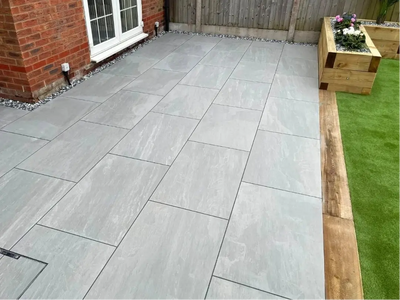
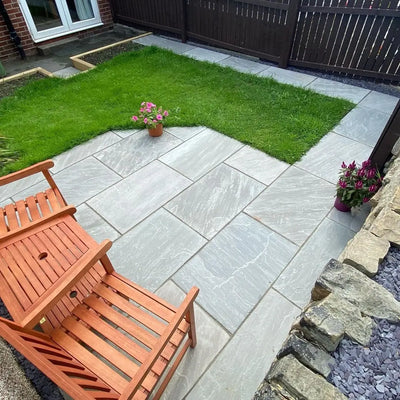
- Kandla Grey Porcelain 900x600mm (£19.09/m²) - Stone-effect texture with defined surface variation. Channels water effectively. Customer feedback consistently mentions good wet grip.
- Earthcore Grey Porcelain 900x600mm (£19.09/m²) - R11 textured grippy surface with pronounced wave patterns. Mid to dark grey tones with strong physical texture.
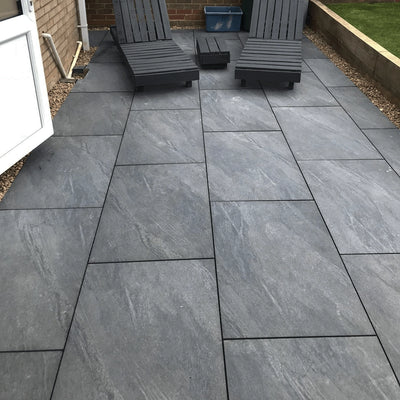
- Anthracite Grey Porcelain 900x600mm (£19.09/m²) - Tonal veining creates natural texture variation. Deep grey colour with textured anti-slip surface.
Good Wet Grip (Moderate Texture):
- Silver Quartz Grey Porcelain 900x600mm (£20.21/m²) - R11 rating with quartzite-effect finish. Light grey with subtle texture.
- County Light Grey Porcelain 900x600mm (£19.09/m²) - Textured anti-slip surface, stone-effect finish. Light colour, reliable grip.
The key difference: Products with stone-effect or riven-style textures (Kandla Grey, Earthcore, Anthracite) create deeper micro-channels for water drainage. Products with smoother embossed patterns (still R11-rated) rely more on subtle texture.
All are safe when clean and maintained. But for highest confidence—especially if elderly relatives visit, or you have young children running around—the heavily textured options provide extra reassurance.

When R11 Porcelain Still Feels Slippery: Common Causes
You've bought proper R11-rated porcelain from a reputable supplier. Installation looks good. But it still feels dodgy when wet. What's actually happening?
1. Biofilm and Algae Growth
This is the most common cause of unexpected slipperiness on R11 porcelain.
Microscopic algae, moss spores, and bacterial biofilm settle into surface texture within weeks of installation—long before you see visible green staining. This organic layer is invisible but dramatically reduces grip when wet.
UK conditions accelerate growth: North-facing patios, shaded areas under trees, gardens with poor drainage—all create perfect environments for biofilm. Even south-facing patios in high-rainfall regions like Manchester or Glasgow develop it faster than you'd expect.
The test: Run your finger across the porcelain when dry. Does it feel slightly tacky or dusty rather than clean and hard? That's biofilm, and it's reducing your wet grip.
Fix: Proper cleaning with outdoor paving cleaner (not just hosing down). More details in the prevention section below.

2. Soap or Cleaning Product Residue
Pressure-washing with detergent makes porcelain look brilliant. But if you don't rinse thoroughly, soap residue creates a slippery film—especially noticeable when it rains within 24-48 hours of cleaning.
The mistake: Using car shampoo, washing-up liquid, or indoor floor cleaners on outdoor porcelain. These products aren't formulated to rinse clear on textured surfaces and leave invisible residue.
Fix: Use outdoor-specific paving cleaners, or just warm water with stiff brush for routine maintenance. If using detergent, rinse multiple times until water runs completely clear.
3. New Installation "Film"
Brand new porcelain sometimes arrives with a protective manufacturing film or transport dust that reduces grip until first proper clean. This wears off naturally within weeks, but can cause concern initially.
Fix: Give new porcelain a proper scrub with warm soapy water and stiff brush before assuming you've got a slip problem. Many "slippery porcelain" complaints disappear after first thorough clean.
4. Specific Footwear Combinations
Some shoe types simply don't grip well on any smooth surface when wet:
- Leather-soled shoes (formal footwear)
- Worn wellies with degraded tread
- Cheap plastic sandals
- Smooth-soled slippers
This isn't a porcelain problem—it's a footwear problem. Same shoes would slip on wet tiles, wet wood decking, even wet natural stone.
Reality check: If the porcelain feels fine in trainers but sketchy in smooth-soled shoes, your paving isn't the issue.
5. Standing Water from Poor Drainage
R11 porcelain provides excellent grip when water can drain away. But if your installation has low spots that pond water, or falls aren't adequate, even heavily textured porcelain struggles.
The physics: Deep standing water creates aquaplaning—your foot never touches porcelain, just water surface.
Fix: Installation issue, not product issue. Proper falls (minimum 1:60 away from buildings), adequate drainage, no low spots where water collects.

How to Test Your Porcelain's Wet Grip (DIY Method)
Want to know if your porcelain has genuine slip resistance or if there's a problem? Here's a simple home test:
The Wet Barefoot Test (Safest Baseline):
- Hose down a section of porcelain thoroughly
- Remove shoes and socks
- Step onto wet porcelain slowly
- Try gentle sliding motion with ball of foot
What you should feel: Immediate grip, confident footing, ability to push gently without foot sliding.
Red flag signs: Foot slides easily, feels unstable, genuine concern about standing safely.
The Shoe Test (Real-World Scenario):
- Same wet porcelain section
- Wear your normal garden shoes/trainers
- Walk normally, try slight direction changes
What you should feel: Stable, confident, same grip as dry conditions (just slightly different sensation).
Red flag signs: Need to take smaller steps, avoid turning movements, feel like you're "skating."
IMPORTANT: Don't deliberately try to slip or test with aggressive movements. This is about normal use confidence, not stunt testing.
If your R11-rated porcelain fails these basic tests, something's wrong—biofilm, wrong product specification, or installation issues.

Making Slippery Porcelain Safer: Practical Solutions
Already living with porcelain that feels too slippery? Here are your options, ranked from simple to drastic:
Option 1: Deep Clean (Try This First)
Cost: £10-20 for cleaning products
Effort: 2-3 hours
Success rate: 70% of "slippery porcelain" problems
Method:
- Remove all furniture, planters, debris
- Sweep thoroughly to remove loose dirt
- Apply outdoor paving cleaner (diluted per instructions)
- Scrub with stiff-bristled brush (not wire brush—too aggressive)
- Rinse multiple times until water runs completely clear
- Allow 24-48 hours to fully dry
- Test wet grip again
Products that work: Outdoor paving cleaners from Universal Paving, Everbuild, or similar. Avoid bleach (damages joints), harsh acids (unnecessary), or indoor floor cleaners.
Why it works: Removes biofilm, algae, soap residue—the invisible layers reducing grip.
Option 2: Anti-Slip Treatment
Cost: £40-80 for DIY products
Effort: Half day application
Success rate: 60% improvement for moderately slippery surfaces
What it is: Chemical treatment that microscopically etches porcelain surface, increasing texture depth. Creates more grip points for shoes.
Application: Paint on, leave for specified time, rinse thoroughly. Results typically last 12-24 months before reapplication needed.
Limitations: Only works on lightly textured porcelain. Can't fix completely smooth porcelain. Changes surface appearance slightly (usually darker when wet).
Brands: XT Anti-Slip, SlipDoctors, Suregrip (available online).
Option 3: Anti-Slip Coating
Cost: £150-300 for professional application per 20m²
Effort: Professional job
Success rate: 80-90% for most applications
What it is: Clear coating with embedded grit or texture that creates physical grip layer over existing porcelain.
Benefits: Doesn't change porcelain appearance significantly, durable (3-5 years), can be applied to any surface.
Downsides: Cost, needs professional application for even coverage, eventual reapplication required.
Providers: Local resin flooring companies, specialist anti-slip contractors.
Option 4: Replacement (Last Resort)
Cost: £800-1,500 for materials + labour per 20m²
Effort: Full reinstallation
Success rate: 100% (assuming correct product chosen)
When it's necessary: If porcelain is genuinely unsafe (R9 or smooth indoor-rated product installed outdoors) rather than just feeling mildly slippery.
What to replace with: Properly specified R11 outdoor porcelain with heavy texture. At Universal Paving, we'd recommend Kandla Grey, Earthcore Grey, or Anthracite Grey for maximum wet grip confidence.
Reality: Most "slippery porcelain" problems don't require replacement. Deep cleaning + anti-slip treatment usually resolves concerns.

Prevention: Keeping R11 Porcelain Safe Long-Term
Bought the right product (R11-rated, textured finish)? Here's how to maintain optimal wet grip:
Quarterly Deep Clean
- Every 3-4 months: proper scrub with outdoor cleaner
- Removes biofilm before it builds to slip-risk levels
- Takes 1-2 hours, prevents bigger problems
Annual Pressure Wash
- Once per year: thorough pressure wash (careful around joints)
- Removes embedded dirt from texture valleys
- Always rinse completely clear—no soap residue
Avoid These Mistakes:
- ❌ Sealing porcelain (unnecessary and can reduce grip)
- ❌ Using bleach regularly (damages pointing, harsh on environment)
- ❌ Letting leaves/debris sit for weeks (creates biofilm breeding ground)
- ❌ Ignoring shaded areas (prime algae territory)
Monitor High-Risk Areas:
- Shaded sections under trees
- North-facing patios
- Areas near water features or ponds
- Steps and level changes (highest injury risk)
Seasonal Adjustment:
- Autumn: Extra cleaning as leaves fall
- Spring: Deep clean after winter algae growth
- Summer: Light maintenance, monitor after heavy rain
Special Considerations: Elderly, Children, Pool Areas
If your household includes vulnerable people, wet grip becomes critical rather than just preferable.
Elderly Relatives:
- Favour heavily textured porcelain (Kandla Grey, Earthcore)
- Consider R12-rated porcelain for pathways near entrance
- Install handrails at steps regardless of paving grip
- Keep cleaning schedule strict—don't let biofilm develop
Young Children:
- Smooth enough for barefoot comfort but grippy when wet
- R11 textured finishes strike good balance
- Avoid R12/R13 (uncomfortable for bare feet, harder to keep clean)
Pool Surrounds:
- R12 minimum, preferably R13
- Constant water exposure needs highest grip level
- Smooth textures genuinely unsafe in this application
- Different requirement than regular patio
What to Ask Before Buying Porcelain
Prevent slip concerns by asking the right questions upfront:
Essential Questions:
-
"What's the R-rating for outdoor use?"
- Correct answer: R11 minimum for UK patios
- Red flag: "It's anti-slip" without specific rating
-
"Can I see the test certification?"
- Reputable suppliers provide slip-test documentation
- Red flag: "It's on the manufacturer's website somewhere"
-
"What's the actual surface texture like?"
- Request physical sample (Universal Paving provides samples for £5)
- Test wet grip yourself before committing to 30m²
-
"Do you have customer feedback on wet grip?"
- Established products have real-world user experience
- Red flag: New import with no UK customer history
At Universal Paving:
- All outdoor porcelain: R11 rating minimum
- Physical samples available: £5, delivered 5-7 days
- Transparent product specs on every listing
- Customer reviews mention wet grip performance
- Phone advice: 07480 959706 (Monday-Friday 8am-5:30pm, Saturday 9am-3pm)
The Bottom Line: R11 Porcelain Is Safe When Properly Specified and Maintained
Here's what matters: properly specified R11 outdoor porcelain with textured finish is genuinely safe for UK patio use when maintained correctly. The vast majority of "slippery porcelain" complaints stem from biofilm buildup, wrong product specification (R9 or smooth indoor-rated), or unrealistic expectations about how any smooth surface behaves when wet.
Slippery porcelain is a problem. Porcelain that feels slightly different when wet is normal.
If you step onto your patio after rain and feel a minor difference in grip but remain completely confident and stable—that's just physics. Water between shoe and paving always changes sensation slightly, even on the grippiest surfaces.
If you genuinely feel unsafe, unable to walk normally, or worried about falling—that's a real problem requiring action.
Your action plan:
- Check your porcelain rating - If it's R10 or below, you need different paving for UK outdoor use
- Deep clean thoroughly - Removes biofilm and residue (fixes 70% of problems)
- Test wet grip after cleaning - If still concerning, consider anti-slip treatment
- Maintain quarterly - Prevention easier than cure
Browse Universal Paving's R11-rated outdoor porcelain:
- Kandla Grey: Popular grey with reliable wet grip
- Earthcore Grey: Heavily textured for maximum confidence
- Anthracite Grey: Dark grey with anti-slip surface
- All products: R11-rated, textured finish, UK stock available
Need advice on slip resistance?
- Phone: 07480 959706
- Samples available: £5, delivered 5-7 days
- Free UK delivery on all paving orders
- Monday-Friday 8am-5:30pm, Saturday 9am-3pm
Your patio should feel safe every single day, rain or shine. Proper product specification and basic maintenance make that happen.