






From Foundation to Finish: Why Quality Sandstone Paving Matters When Building Your Home
Building a home is exciting. It’s personal. It’s a reflection of your taste, your lifestyle, and your long-term plans.
You carefully choose bricks, windows, roofing materials, kitchen finishes, flooring — everything is considered.
But one area that often gets less attention during construction is outdoor paving.
And yet, it’s one of the first things people notice.
From the driveway to the garden patio, your paving plays a major role in how your home looks, functions, and lasts over time.

First Impressions Start Before the Front Door
Before anyone steps inside your home, they experience the outside.
They walk up your path.
They park on your driveway.
They stand on your patio.
If the paving looks cheap, uneven, or weathered too quickly, it instantly lowers the overall impression — no matter how beautiful the interior is.
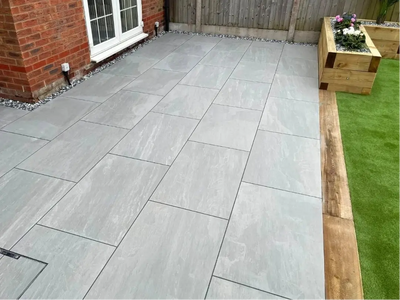
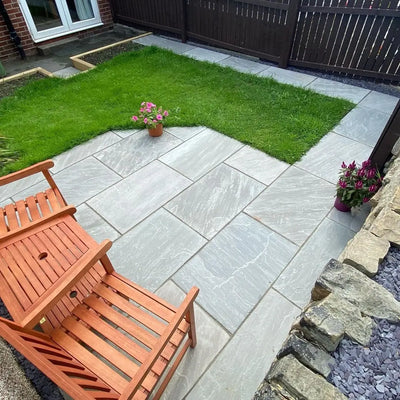
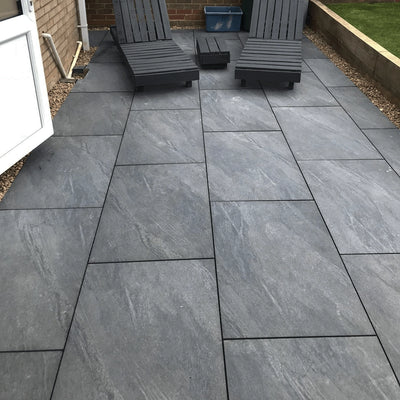
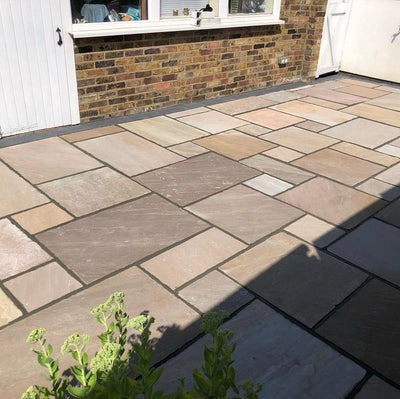
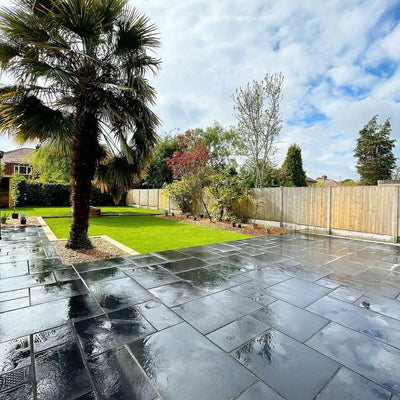
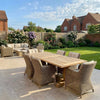
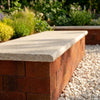
High-quality sandstone creates a completely different impact. It feels natural, solid, and premium. The subtle colour variations and textures give character that manufactured materials simply can’t replicate.
It doesn’t look artificial — it looks authentic.

The UK Climate Demands Strong Materials
Let’s be realistic. The UK weather can be harsh on outdoor surfaces.
We deal with:
-
Heavy rainfall
-
Freeze–thaw cycles in winter
-
Moss and algae growth
-
Sudden temperature changes
Low-grade paving often struggles in these conditions. It may crack, fade, or become unstable after a few winters.
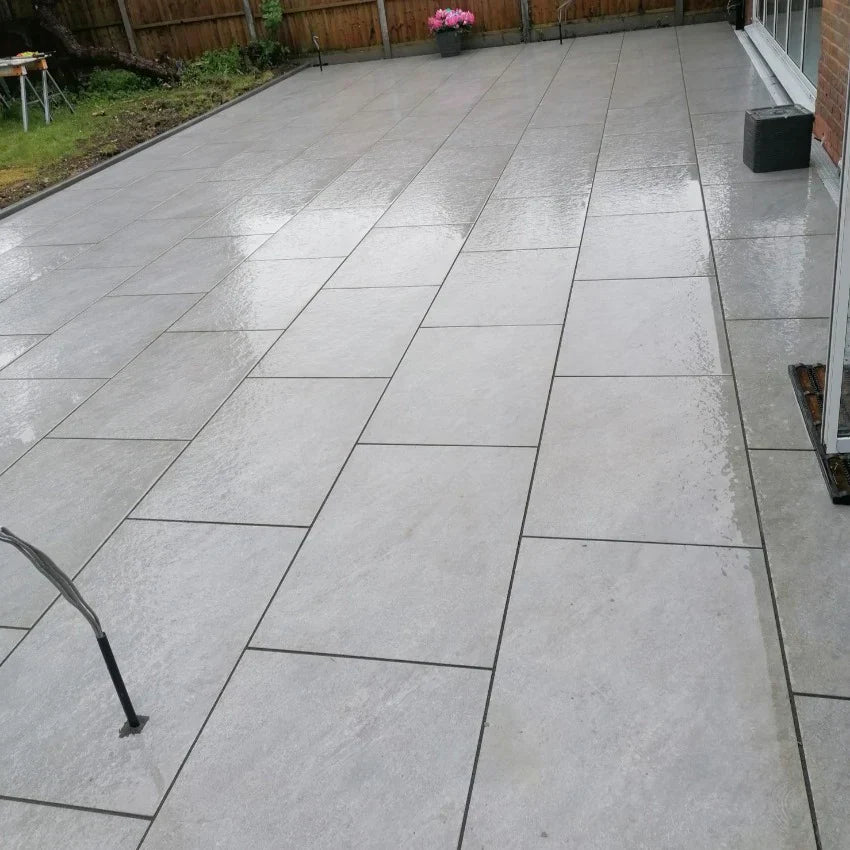
Quality sandstone, on the other hand, is naturally dense and durable. When installed correctly on a solid foundation, it handles the elements far better and maintains its structure for years.
When you’re investing in a home, you want materials that can stand the test of time — not just look good on installation day.
Not All Sandstone Is the Same
This is something many homeowners don’t realise.
Two slabs might look similar in photos, but quality can vary significantly.
Lower-grade stone may have:
-
Inconsistent thickness
-
Weak edges
-
Excessive porosity
-
Uneven colouring
These small issues can lead to larger problems later — rocking slabs, water pooling, or faster surface wear.
Premium sandstone is more consistent, properly calibrated, and structurally stronger. It makes installation smoother and reduces the risk of future movement.
Quality shows in the details.

It Ages Gracefully, Not Poorly
Concrete and low-cost alternatives often start to look tired over time.
Natural sandstone ages differently.
As the years pass, it develops character. Colours deepen when wet. The surface settles naturally into its surroundings. Instead of looking worn out, it begins to look established.
That’s a major difference.
Your home should improve with time — not deteriorate.
Outdoor Spaces Are an Extension of Your Home
Modern homes aren’t just about what’s inside.
Patios become dining areas.
Driveways enhance kerb appeal.
Garden paths connect the whole landscape together.
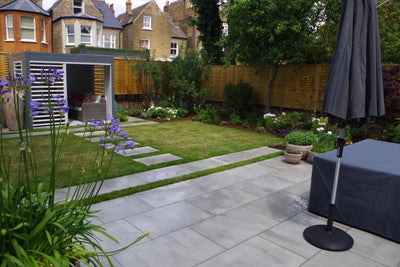
High-quality sandstone makes these spaces feel intentional — not like an afterthought.
When the outside matches the standard of the inside, the entire property feels complete.
Long-Term Value vs Short-Term Savings
During construction, budgets can tighten. It’s tempting to save money on external finishes.
But consider this:
Would you compromise on your internal flooring?
Would you choose the cheapest kitchen units available?
Probably not.
Your paving faces daily foot traffic and constant weather exposure. Choosing quality materials now often prevents costly repairs and replacements later.
Sometimes spending slightly more upfront protects your investment in the long run.
From Foundation to Finish — Consistency Matters
Building a home is about doing things properly from the ground up.
Strong foundations.
Reliable structure.
Quality materials.
Your outdoor paving should follow the same principle.
Sandstone paving isn’t just decorative. It’s part of your home’s overall build quality. When done right, it enhances durability, appearance, and long-term value.
Because a well-built home doesn’t stop at the walls — it extends all the way to the landscape around it.